Jelly Kins Font Review for Modern Branding
Jelly Kins on a Café Logo Concept
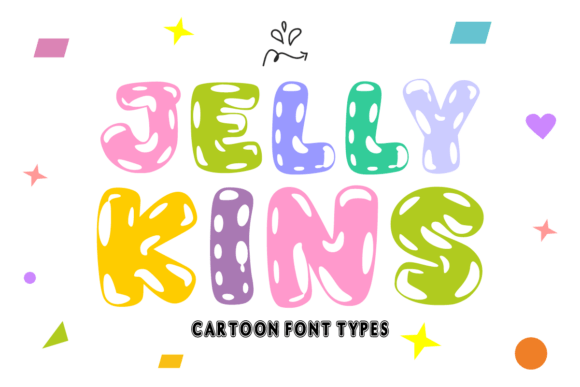
Opening a blank brand board one morning, I knew I needed something playful yet professional. The first thing I tried was Jelly Kins, a Display font that feels like it’s been handcrafted with care. As a Fonts enthusiast, I’ve tested many styles, but Jelly Kins stood out immediately. Its chubby, modern cartoon bubble shape and uppercase-only design made it perfect for the café logo concept I was working on—a cozy, whimsical spot for young professionals and creatives.
The characters are cute, unique, and sweet, making them easily recognizable. Placing “Café Lune” in Jelly Kins felt like adding a smile to the brand identity. It wasn’t just a font; it was a mood. The soft curves and bubbly look gave the logo a sense of approachability that matched the café’s vibe perfectly.
Jelly Kins in Packaging Mockups and Social Media Layouts
Moving from the logo to the packaging mockup, I wanted to maintain that same charm. Jelly Kins worked wonders on product labels and coffee bag designs. The uppercase letters didn’t feel too childish, which is a common concern with playful fonts. Instead, they added a touch of personality that made the packaging stand out in a crowded market.
I also used Jelly Kins on social media layouts—Instagram posts, Facebook ads, and even Twitter headers. The font performed well at both large and small sizes, though I found it best suited for headlines rather than long body text. It brought attention to key phrases like “New Brew Alert” or “Join the Coffee Journey,” making the content more engaging without sacrificing clarity.
For those looking to use Jelly Kins in similar contexts, I recommend testing it alongside a clean sans serif font for body copy. Pairing it with something like Helvetica or Montserrat keeps the design balanced and ensures readability remains intact.
Jelly Kins for Business Cards and Website Headers
Next up were business cards. I needed something memorable, and Jelly Kins delivered. The font’s distinctiveness helped the designer’s name pop off the card, creating an instant visual impact. It wasn’t over the top, but it had enough character to make someone pause and take notice.
On the website header, I placed the brand name in Jelly Kins and watched how it interacted with the background. The result was visually appealing and aligned with the brand’s tone. However, I noticed that using it in smaller sizes could reduce legibility, especially on mobile devices. For this reason, I suggest keeping it as a headline font rather than using it throughout the entire site.
If you’re considering Jelly Kins for your own projects, remember to test it across different platforms and screen sizes. A quick review in web design tools can help ensure it looks good everywhere—from desktop banners to mobile app interfaces.
Jelly Kins in Editorial Design and Brand Identity
As I continued exploring Jelly Kins, I found it surprisingly effective in editorial design. When used sparingly, it added a fun element to magazine spreads or blog headers. It wasn’t the go-to font for lengthy articles, but it worked beautifully for pull quotes or section titles, bringing a fresh energy to the page.
In terms of brand identity, Jelly Kins is ideal for creative studios, handmade shops, or any brand that wants to communicate warmth and originality. It’s not the kind of Fonts you’d see in a corporate setting, but it thrives in niche markets where personality matters more than formality.
That said, if your project requires strict professionalism or involves long blocks of text, Jelly Kins may not be the best fit. It’s best used as a display font, headline font, or short phrase font, rather than a primary typeface for extended reading.
Jelly Kins: Final Notes and Practical Advice
After testing Jelly Kins across multiple branding elements, I’m confident it has a place in any designer’s toolkit. Whether it’s a boutique identity project, a bakery packaging refresh, or a creative studio rebrand, this Display font brings a unique charm that’s hard to ignore.
Before committing to Jelly Kins in final client work, always check the commercial font licensing. Ensure it’s appropriate for your intended use—whether it’s for print, digital products, or merchandise. Also, don’t forget to pair it wisely with complementary fonts to maintain balance and readability in your design.