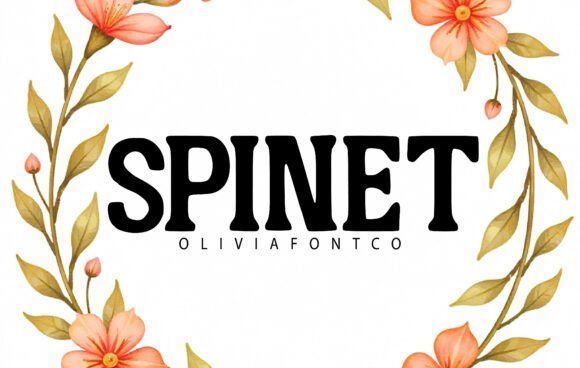
Spinet: A Refined Serif Typeface for Modern Editorial Design
I remember the exact moment I knew my latest project needed a change. It was a Sunday afternoon, and I was staring at a draft of a digital wedding guide that felt too stiff, too generic. The body text was fine, but the headlines were screaming with a modern sans serif that clashed with the soft, romantic tone of the content. That is when I discovered Spinet, a bold, refined vintage-inspired serif display font with strong vertical strokes and soft rounded edges. Its balanced proportions and clean curves give it a timeless, polished look — ideal for creating an immediate sense of elegance in any layout.
This wasn't just about picking a pretty letter; it was about finding a voice that could carry the weight of a brand while remaining approachable. As I began to test this typeface across different formats, from blog headers to printable planners, I realized how much a single font choice can shift the entire reading experience. Spinet brings a specific rhythm to the page, one that feels curated rather than mass-produced.
Why Spinet Elevates Blog Headers and Digital Magazine Covers
When you are designing a Display font for a high-traffic website, the first thing you need is a character that commands attention without shouting. Spinet excels here because its strong vertical strokes create a solid anchor for your most important content. I used it on the header of a lifestyle blog redesign, and the difference was instant. The soft rounded edges softened the overall aesthetic, making the site feel more inviting to readers who might otherwise be intimidated by sharp, aggressive typography.
- Visual Hierarchy: The distinct weight of Spinet allows it to separate titles from body text effortlessly, guiding the eye naturally down the page.
- Mood Setting: The vintage inspiration evokes a sense of history and trust, perfect for editorial features that want to feel established.
- Brand Consistency: Using Spinet across social media graphics and web headers creates a cohesive identity that readers can recognize instantly.
For those looking to upgrade their Fonts library, Spinet offers a unique balance between classic serifs and contemporary design. It avoids the clutter often found in overly decorative typefaces, ensuring that your message remains clear even when displayed at large sizes.
Creating Impactful Ebook Titles and Course PDFs
The transition from web to print, or specifically to downloadable assets like workbooks and ebooks, requires a font that maintains its integrity in both digital and physical forms. I recently applied Spinet to the cover of a coaching workbook, and the result was a professional polish that elevated the perceived value of the product. The clean curves of the letters ensure that the title looks crisp whether viewed on a tablet screen or printed as a high-quality PDF.
In the world of digital products, first impressions are everything. A premium font like Spinet signals quality before the reader even opens the file. When potential buyers see a cover with such thoughtful typography, they assume the content inside is equally well-crafted. This is particularly true for creators selling course materials, where the visual presentation is part of the product itself.
- Cover Text: Use the boldest weights of Spinet for main titles to ensure they pop against background images.
- Chapter Openers: The font's readability makes it suitable for large chapter headings that break up long-form text.
- Pull Quotes: Highlight key insights within your ebook using Spinet in italics or lighter weights for contrast.
Unlike many creative fonts that sacrifice legibility for style, Spinet respects the reader's journey. Its balanced proportions mean that even in smaller sizes, the letters remain distinct and easy to decipher, which is crucial for maintaining engagement throughout a lengthy document.
Spinet for Wedding Invitations and Elegant Branding Projects
There is something inherently romantic about a serif font with soft rounded edges, and Spinet captures this sentiment perfectly. I tested it on a set of digital wedding invitations, pairing it with a delicate script font for the names. The combination created a layered effect that felt both traditional and fresh. The strong vertical strokes provided a necessary structure, preventing the design from feeling too whimsical or ungrounded.
For editorial designers working on niche projects like wedding guides or bridal magazines, Spinet offers a level of sophistication that appeals to a discerning audience. It works beautifully for logos, packaging designs, and branding collateral where a touch of vintage charm is desired. The font's ability to convey "timeless" without looking dated is a rare quality that makes it a versatile tool for any designer's toolkit.
When selecting a commercial font for client work, reliability is key. Spinet delivers on multiple fronts: it supports various languages, includes alternate characters for added flair, and comes in multiple weights that allow for dynamic layouts. Whether you are designing a newsletter graphic or a full-scale magazine spread, this typeface adapts to your needs without losing its character.
Enhancing Printable Planners and Content Branding
As the market for digital downloads grows, so does the demand for aesthetically pleasing tools. I incorporated Spinet into a series of printable planners and weekly organizers, and the feedback was overwhelmingly positive. Users appreciated the clarity of the headers and the inviting nature of the layout. The font's clean lines make it easy to scan information quickly, which is essential for productivity tools.
In addition to functionality, there is the element of joy. Using a font like Spinet transforms a mundane task like filling out a planner into a pleasant experience. The soft rounded edges add a human touch that rigid geometric fonts often lack. For independent content brands looking to differentiate themselves, investing in a unique typeface is a strategic move that pays dividends in user satisfaction.
Pairing Spinet correctly is also vital for success. While it shines as a display font, it pairs exceptionally well with a simple sans serif font for captions and navigation, or a highly readable serif font for body copy. This combination ensures that the design remains balanced, with Spinet providing the personality and the supporting fonts handling the heavy lifting of information delivery.
Ultimately, choosing the right font is about understanding your audience and the story you want to tell. Spinet tells a story of refinement, stability, and warmth. Whether you are building a newsletter, launching a new product, or simply refreshing your blog's look, this font provides the foundation for a better reading experience. By integrating Spinet into your workflow, you are not just adding letters to a page; you are curating an environment where your content can truly shine.